Nobody wants to be told that the house they have fallen in love with has problems. After weeks or months of searching, finally finding somewhere that feels right and having your offer accepted, a survey report can feel like a setback. Pages of comments about defects, repairs and potential risks can make even confident buyers question whether they are making the right decision.
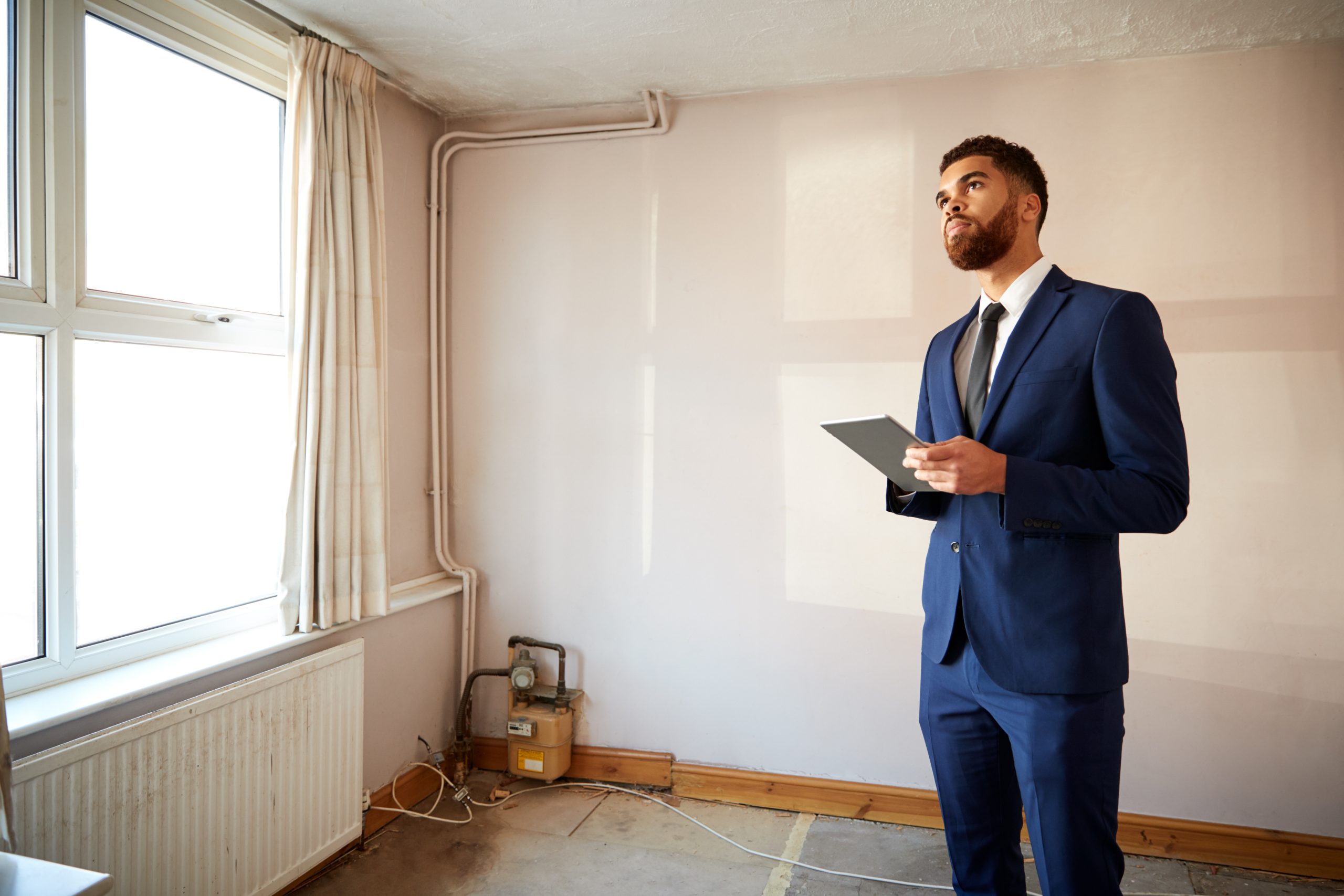
The important thing to remember is that a survey is not a pass or fail test. Almost every property will have something mentioned in the report. Older homes especially will usually show signs of age, whether that is an ageing roof, outdated electrics or areas that need general maintenance. A surveyor is there to point these things out, not to tell you that you should automatically walk away.
The question is whether the problems are things you can live with or whether they could become a serious headache after you move in.
Some buyers are surprised by how much detail appears in a survey. A small crack, for example, may be mentioned even if it is unlikely to cause any immediate concern. Likewise, a recommendation to improve insulation or replace an older heating system does not necessarily mean the property is a bad buy. These are common issues that many homeowners deal with over time.
The problems that deserve more attention are the ones that affect the structure, safety or long-term cost of owning the property. If a survey highlights serious movement, subsidence or major defects with the foundations, it is worth getting further advice before making any decisions. Structural repairs can be expensive, and more importantly, they can sometimes reveal wider problems once work begins.
The same applies to major roof issues. A roof nearing the end of its lifespan may be something you can plan for, but a roof that is already allowing water into the property is a different matter. If several expensive repairs are needed at the same time, the cost of putting things right can quickly change whether the purchase still makes financial sense.
Damp is another area where buyers often become worried. The word itself can sound alarming, but not all damp problems are the same. A small issue caused by ventilation or minor maintenance is very different from damp that has affected the structure of the building. If there are signs of timber damage, rot or long-term water problems, it is worth finding out the full extent before committing.
Sometimes the reason to walk away is not one major defect but the overall picture. A property may need a new boiler, electrical work, roof repairs, new windows and other improvements all at once. None of those jobs alone might be enough to put you off, but together they can create a level of expense and disruption that you did not sign up for.
It is also worth considering your own circumstances. A buyer with experience renovating properties and a large contingency budget may see a long list of repairs as an opportunity. Someone buying their first home with limited savings may view the same report very differently. There is no right or wrong answer; it depends on what you are comfortable taking on.
A survey can sometimes uncover issues that are not immediately visible when viewing the property. Problems with planning permission, boundaries or legal paperwork can create complications later, so these should not be brushed aside simply because you are keen to complete the purchase.
Negotiation is often possible after a survey. If genuine problems are found, some sellers will agree to reduce the price or contribute towards the cost of repairs. However, if the issues are significant and the seller is unwilling to discuss them, you need to decide whether you are prepared to accept the extra responsibility.
Perhaps the biggest sign that it may be time to walk away is when your confidence in the purchase has disappeared. Buying a home involves a lot of emotion, but it is still one of the biggest financial decisions most people make. If you are already worrying about what could go wrong before you have even moved in, it may be worth listening to that concern.
Walking away from a property is never easy. You may have spent money on surveys and legal checks, and you may already have imagined yourself living there. But those costs are small compared with the cost of buying a property that becomes a constant source of stress.
A survey should give you clarity, not fear. If the problems are manageable and the property still represents good value, it may still be the right choice. But if the risks, costs or uncertainty outweigh the benefits, walking away can be the smartest decision you make.