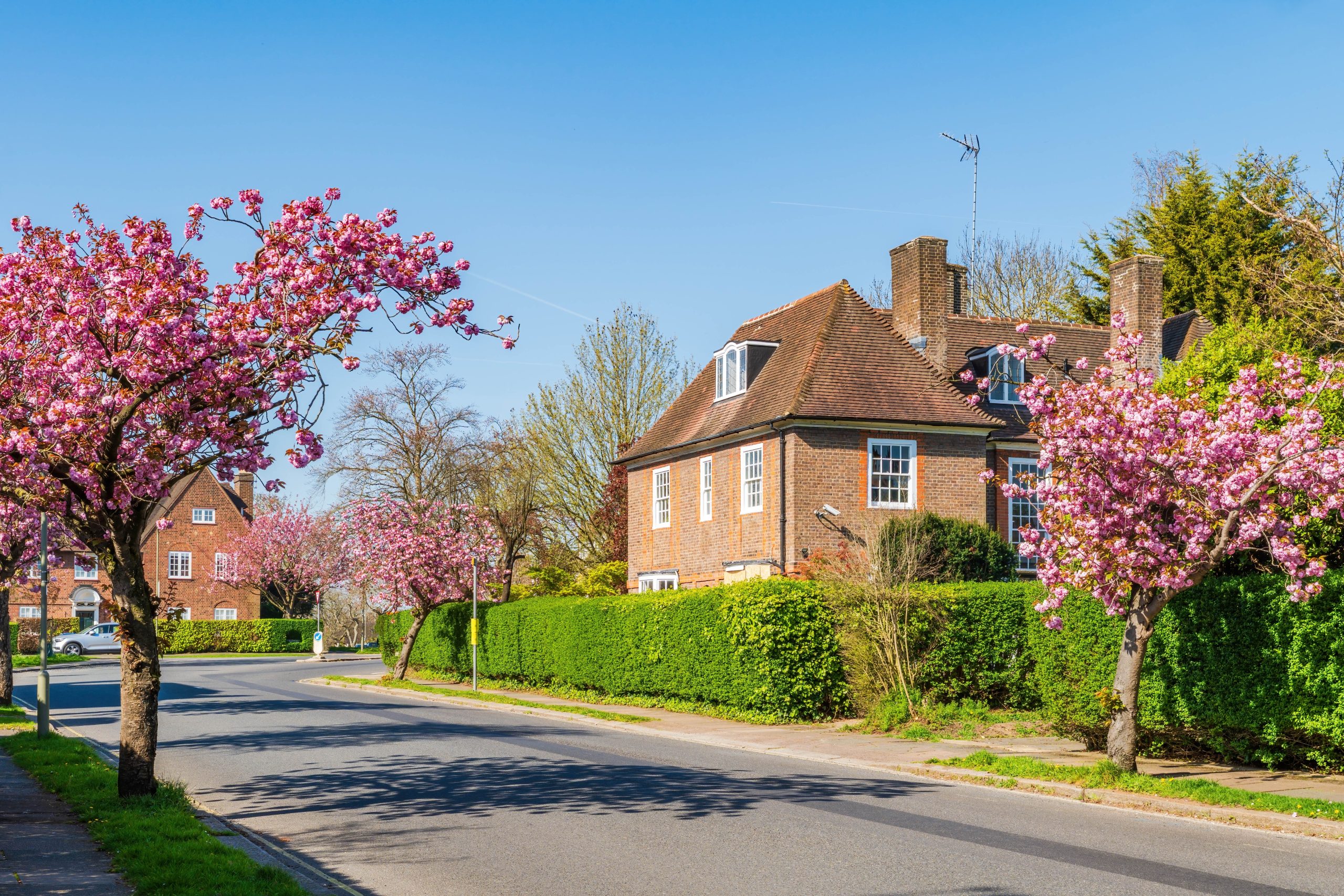
Most people buy a house with their eyes.
They notice the new kitchen, the freshly painted walls, or the garden that looks perfect for summer barbecues. What they don’t always notice are the problems hiding in the background. Unfortunately, those are often the issues that end up costing the most money.
I’ve spoken to plenty of homeowners over the years who only discovered major defects after they’d collected the keys. In many cases, the warning signs were there all along, but they weren’t obvious during a quick viewing.
Take subsidence, for example. It’s one of those words that instantly worries buyers, and with good reason. When the ground beneath a property moves, the building can move with it. Sometimes the signs are fairly clear, cracks around windows, doors that won’t shut properly, or uneven floors. Other times, the clues are much harder to spot. Not every crack means there’s a serious problem, but when there is movement, the repair costs can be significant.
Roofs are another common source of expensive surprises. Most buyers aren’t climbing ladders during viewings, so they’re relying on what they can see from the driveway. The trouble is that a roof can look perfectly acceptable from the ground while hiding damaged timbers, worn felt, or areas where water has been getting in for years. By the time a leak becomes obvious inside the house, the damage is often much worse than anyone realised.
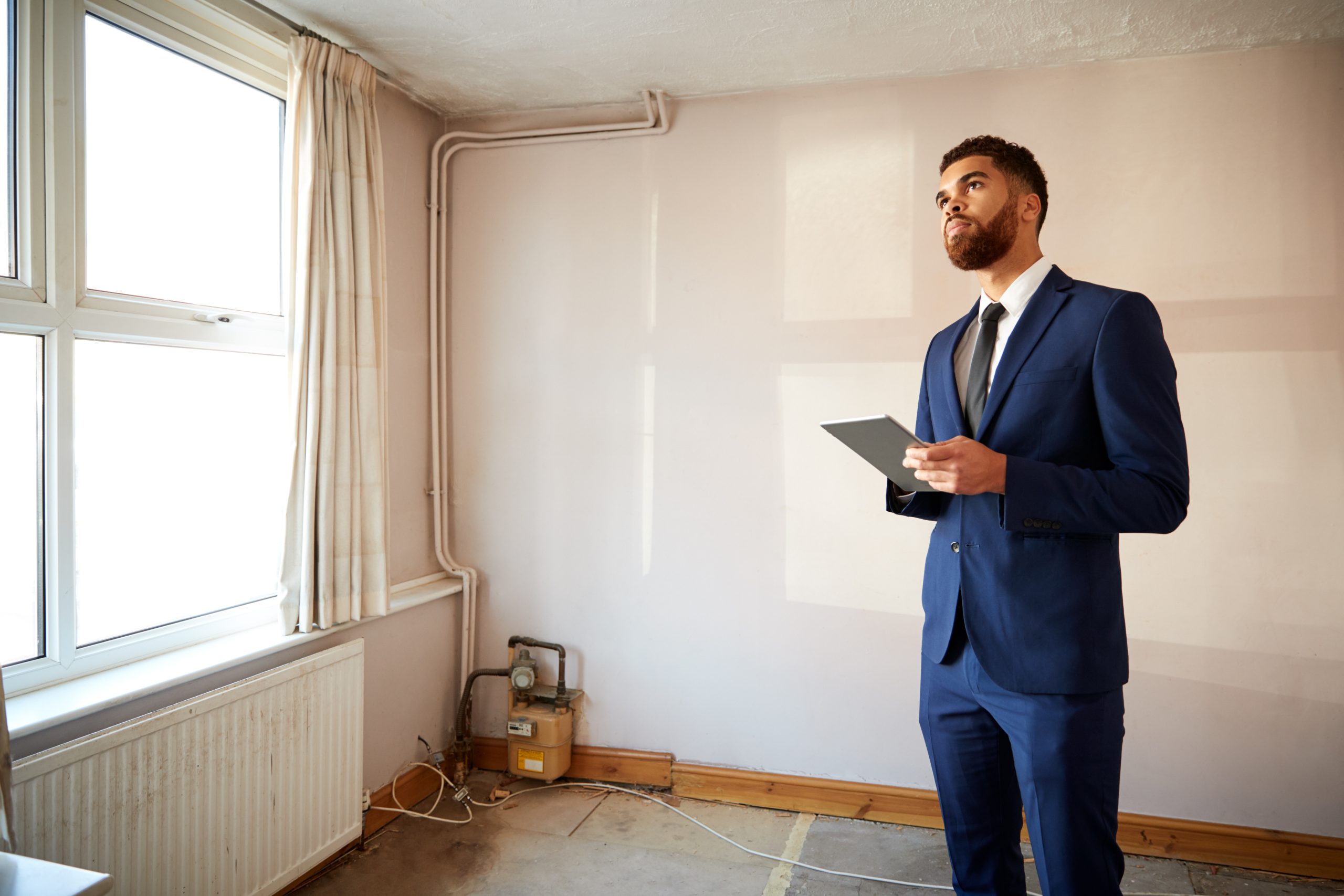
Damp is something that often gets brushed aside. Sellers might put a dehumidifier in a room or simply repaint a stained wall before putting the property on the market. Sometimes damp is a minor issue. Sometimes it isn’t. Persistent moisture can affect timber, plaster and flooring, and the longer it’s been there, the more expensive it usually becomes to put right.
Then there are the properties that have been altered over the years. A lot of homes have had walls removed, extensions built, lofts converted or layouts changed. Most of these improvements are perfectly fine, but not all building work is carried out to the same standard. What looks like a modern open-plan space could involve structural alterations that weren’t completed correctly. Buyers often assume that if a room looks good, everything behind the walls must be fine too. That’s not always the case.
Cracks in walls are another thing that cause confusion. Some are completely harmless and have probably been there for decades. Others can point to something more serious. The difficult part is knowing the difference. A fresh coat of paint can hide a lot, which is why relying solely on appearances is rarely a good idea when making such a large investment.
Flood risk is also becoming a bigger consideration than it was ten or fifteen years ago. Even properties that have never flooded can sit in areas where the risk is increasing. Aside from the obvious damage caused by floodwater, repeated exposure to moisture can affect the condition of a building over time and make insurance more expensive.
The reality is that most costly structural problems don’t appear overnight. They develop slowly. A small issue becomes a larger one, and then a larger one becomes a repair bill that nobody was expecting.
That’s why doing your homework before buying is so important. A property might look fantastic on the surface, but the real value lies in understanding what’s happening behind the walls, beneath the floors and under the ground it stands on.
Nobody wants to find out six months after moving in that a problem could have been identified before they bought the property. Spending a little money on the right reports and surveys at the start of the process can often save a great deal more later.
When it comes to buying a home, what you can’t see is often far more important than what you can.