
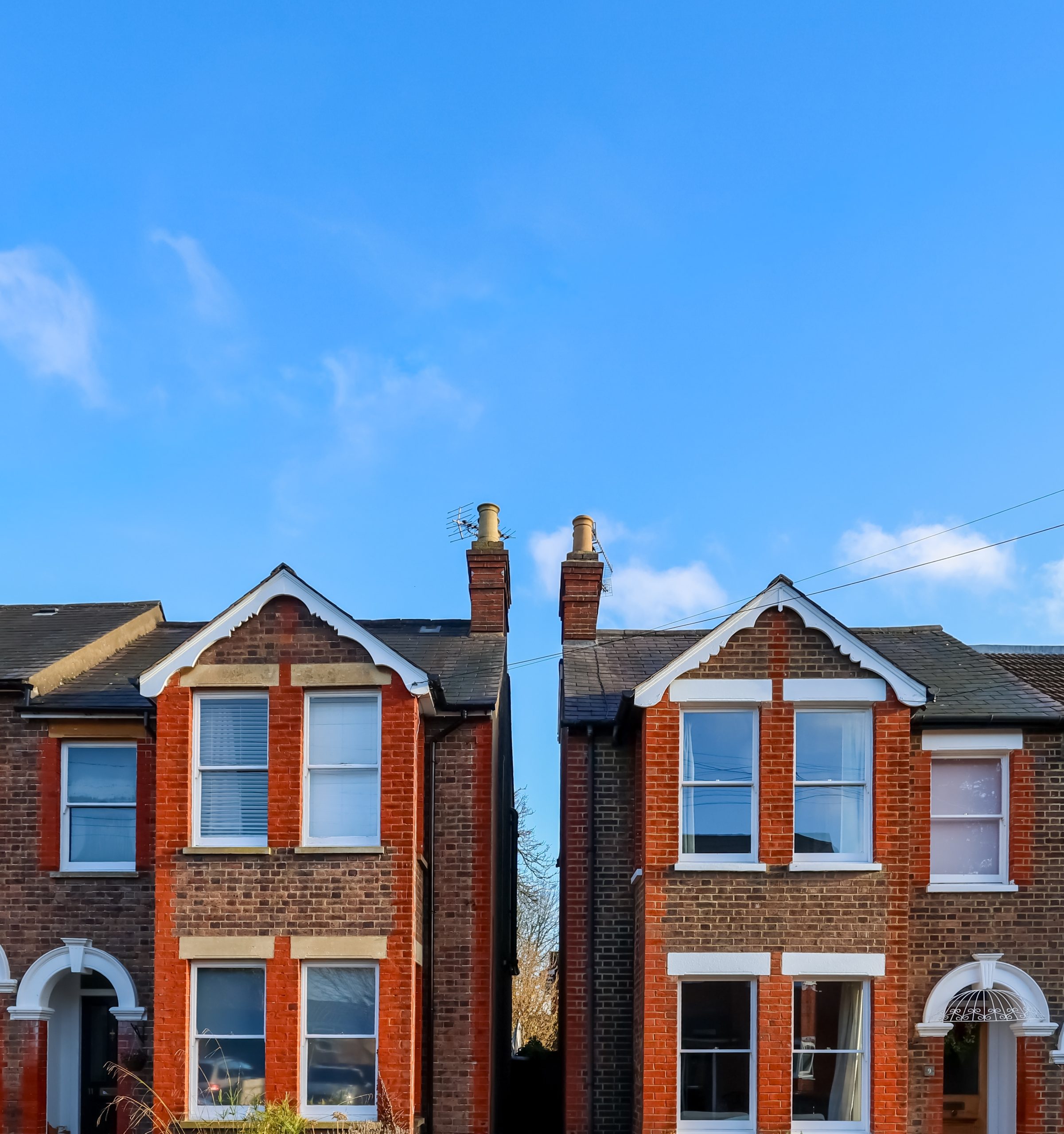
Most homes have a story to tell. Some have been standing for well over a century, while others are only a few years old, but every property changes as time passes. Daily use, changing weather and natural ageing all leave their mark. A survey helps uncover that story before it becomes someone else’s expensive surprise.
People are often relieved when a survey comes back with only a handful of minor recommendations. Others discover repairs they never expected. Among the findings that appear time and again are damp, concerns about the roof and signs that parts of the building have moved.
Damp is rarely a problem on its own. It is usually a symptom that something else is happening. Water may be finding its way into the property through damaged pointing, blocked gutters, cracked render or a plumbing fault. In other homes, everyday activities combined with poor ventilation can create enough moisture for condensation to become a persistent issue.
What matters is not simply seeing the damp but understanding why it is there. Treating the stain on the wall without dealing with the source is unlikely to provide a lasting solution. A survey gives buyers and homeowners a better idea of where the problem may have started and whether further investigation would be worthwhile.
Roofs naturally receive plenty of attention when they begin to leak, but by then the damage may already have spread. Broken tiles, ageing felt, loose flashing or blocked gutters can all allow water to reach parts of the building that should remain dry. Sometimes the roof itself is in reasonable condition, with only a few repairs needed. In other cases, the survey may suggest that maintenance has been neglected over a number of years.
Structural movement is another area that often worries buyers. The word “subsidence” is enough to make many people think the worst, yet movement can happen for several reasons and does not always indicate a major structural failure. Properties settle, materials expand and contract with changing temperatures, and older buildings often display small cracks that have remained unchanged for decades.
Surveyors do not judge a property by a single crack. They consider its location, direction, width and whether there are other signs pointing towards ongoing movement. Looking at the evidence as a whole provides a far more accurate picture than focusing on one isolated defect.
Perhaps the biggest benefit of arranging a survey is peace of mind. Even when problems are identified, buyers know where they stand before committing themselves. They can ask questions, obtain repair estimates and decide whether the property still represents good value.
Homeowners can also benefit from occasional surveys, particularly if the property is older or has not been inspected for many years. Catching a loose roof tile, clearing blocked guttering or improving ventilation is often far less disruptive than waiting until a minor issue develops into a major repair.
No building is perfect. Every home will need maintenance at some point, whether it is a Victorian terrace, a modern apartment or a recently built family house. A survey does not expect perfection; it aims to provide a realistic picture of the property’s condition so that there are fewer surprises in the future.
For anyone buying, selling or simply looking after their home, that knowledge is often just as valuable as the bricks and mortar themselves.