
There is nothing quite like the feeling of finding a property that seems to tick all the boxes. The location works, the rooms are the right size and you can already picture yourself living there. It is very easy at that point to focus on the positives and overlook the things that could cause problems later.
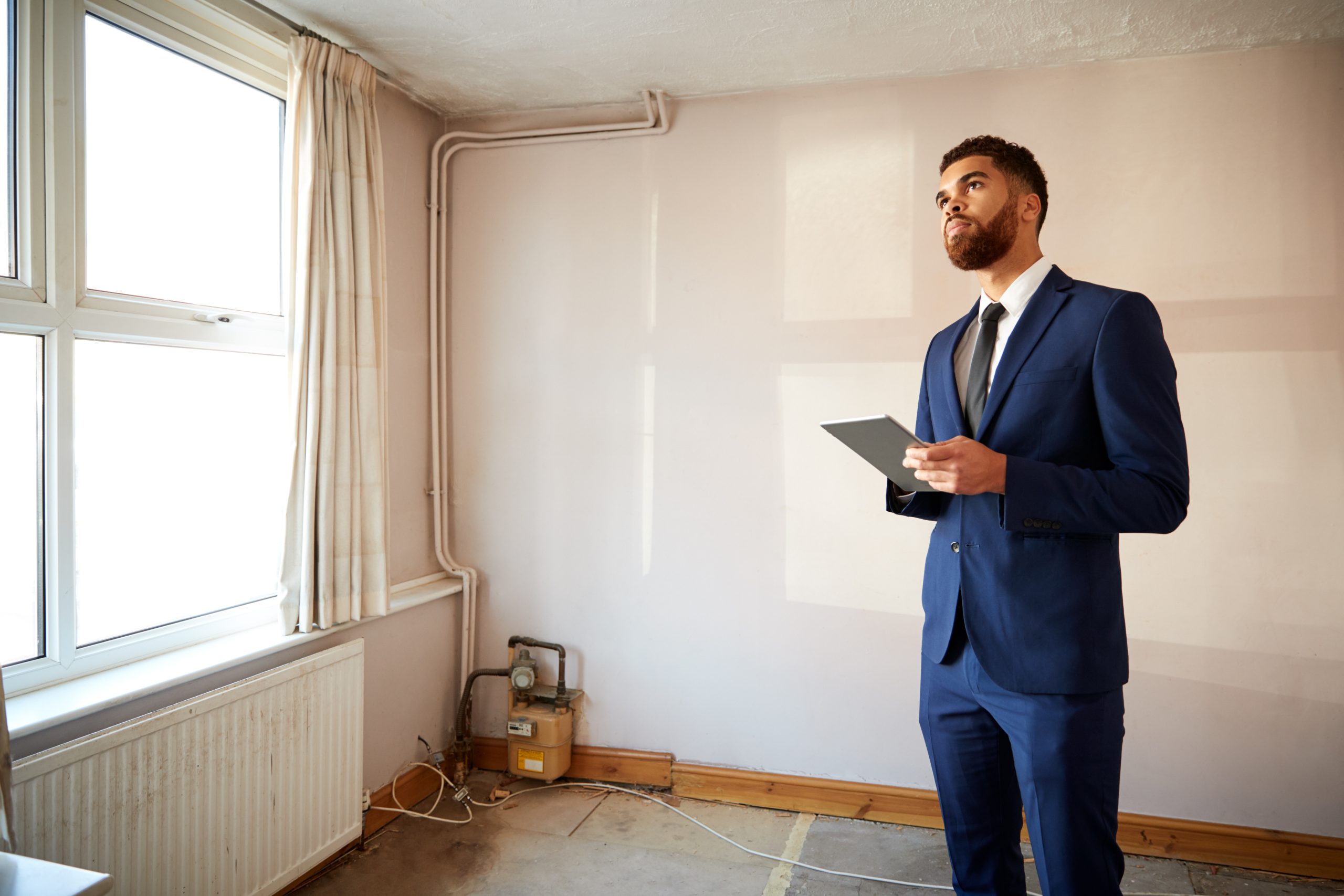
That is completely understandable. Buying a home is an emotional decision as much as a financial one. However, a property viewing should also be treated as an inspection. The aim is not to find reasons to walk away from every house you see, but to understand exactly what you are buying before you commit.
A property can be made to look its best when it goes on the market. Fresh paint, clever lighting and carefully arranged furniture can transform a room, but they do not always tell you what is happening underneath. A buyer who takes a little extra time to look closely can often spot warning signs that are easy to miss when excitement takes over.
Start by paying attention to the overall condition of the property. Does it feel well looked after? Are there signs that repairs have been carried out properly, or do some areas appear to have been covered up quickly? A recently painted wall is not automatically suspicious, but if one small section of a room looks noticeably different from the rest, it is reasonable to ask why.
Damp is one of the biggest concerns for many buyers, especially in older homes. It can be expensive to deal with and is not always obvious during a short viewing. Look for marks on ceilings, peeling paint, mould around windows and unusual smells. Rooms that feel cold, musty or poorly ventilated deserve a closer look. It is also worth walking around the outside of the property because problems with gutters, drainage or brickwork can often be linked to water entering the building.
Older properties can be fantastic purchases, but buyers need to understand what comes with them. A period home may have beautiful fireplaces, original floors and plenty of character, but it may also need upgrades that are less exciting to think about. Older wiring, outdated heating systems and poor insulation are common issues that may not be obvious when you first walk through the door.
Structural concerns are another area where buyers should avoid making assumptions. Small cracks are common, particularly in older houses and they do not always indicate a serious problem. However, larger cracks around windows, doors or extensions should be investigated. Doors that stick, sloping floors or gaps appearing between walls and fittings can also be signs that further checks are needed.
The roof is another part of a property that deserves attention. It is easy to forget about because it is not something buyers interact with every day, but roof repairs can be among the most expensive jobs a homeowner faces. Look for missing tiles, damaged guttering and any signs of water damage inside the property. If you are unsure, ask when the roof was last repaired or replaced.
The same applies to the systems that keep the home running. A modern-looking kitchen will not mean much if the boiler is close to the end of its life or the electrical system needs updating. Ask how old the boiler is, whether it has been serviced regularly and whether there are any known issues with the plumbing or electrics.
The surrounding area should also be part of your investigation. A house can be perfect, but the wrong location can quickly become frustrating. Visit at different times of day if possible. Check traffic levels, parking, noise and how easy it is to reach the places you visit regularly. A quiet viewing on a Saturday afternoon may not reflect what the area feels like during a weekday morning.
It is also worth looking beyond the property itself and considering its history. If a home has been on the market for several months, had repeated price reductions or had previous sales fall through, there may be a simple explanation. However, it is always worth asking questions rather than ignoring those signs.
Many buyers debate whether a survey is worth paying for, especially when the costs of moving already add up quickly. In reality, a survey can provide valuable reassurance and may identify issues that would never be noticed during a normal viewing. Discovering a problem before buying gives you options. Finding it after moving in usually means you are left dealing with the cost.
The legal checks carried out during the buying process are just as important. Issues with boundaries, planning permissions, extensions or lease agreements can create difficulties later. This is particularly relevant when buying leasehold properties, where service charges, restrictions and the remaining lease term can all affect your ownership experience.
The biggest mistake buyers make is allowing themselves to become so attached to a property that they stop asking questions. Falling in love with a home is part of the process, but a careful buyer will always look beyond appearances.
The best property is not necessarily the one that looks perfect during a first viewing. It is the one where you understand the good points, recognise any potential problems and feel confident about what you are taking on.