
Finding a property you really like can make you want to put an offer in straight away. You have walked around, pictured where your furniture would go and started thinking about moving in. It is an exciting point in the buying process, but it is also worth slowing down for a moment before making a decision. There are a few things you should check first. A property can look great during a viewing, but that does not always tell you everything you need to know.
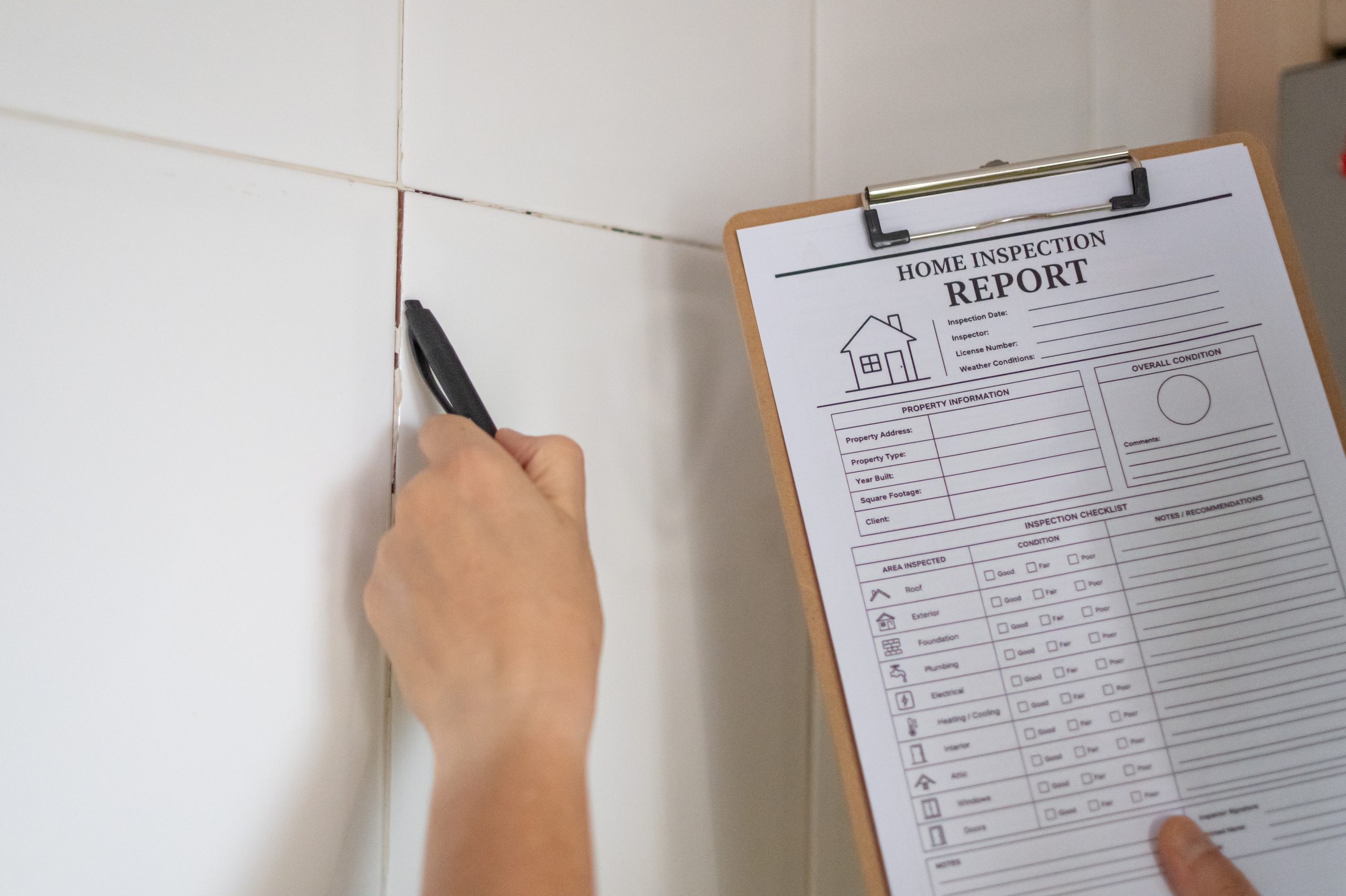
Have a good look around the property rather than concentrating only on the rooms and decoration. Check the walls, ceilings, windows and floors and keep an eye out for anything that does not look quite right. Damp marks, mould, cracks or signs of repairs are worth asking about. They may turn out to be nothing serious, but you do not want to discover an expensive problem after you have bought the property.
The age of the property is worth thinking about too. If it is an older home, some of the main systems may also be older. The roof, boiler, electrics, plumbing and windows could all need attention at some point. If you already know that some work is required, think about how much it could cost and whether that should affect the amount you are prepared to offer.
It is easy to focus on the house and forget about everything around it. Take some time to look at the location as well. If you can, visit the area at different times of the day. A road that seems quiet during an afternoon viewing may be much busier during the morning or at the end of the working day.
Think about what the area would be like for your day-to-day life. Look at parking, transport links, local shops, schools and other facilities that are important to you. It is also worth checking what is happening nearby. Planning applications and proposed developments could change the area in the future, so it is better to know about them before making an offer.
Some information will not be obvious when you visit the property. Environmental risks are a good example. Flooding, ground stability, contaminated land and radon are all things that may need to be considered when buying a property. Carrying out the right searches can give you information that you simply cannot get from a viewing.
Money is another important part of the decision. The asking price is obviously going to be one of the first things you look at, but remember that buying a property comes with other costs. Legal fees, surveys, mortgage costs, moving expenses and insurance all need to be considered. If the property needs work, add those costs into your thinking as well.
It is also worth finding out a little more about the property’s history on the market. How long has it been advertised? Has the asking price already been reduced? These questions do not necessarily mean there is a problem, but the answers may give you a better idea of the seller’s situation and help when deciding what to offer.
Before making an offer, you should have a good idea of what you can actually afford. If you are getting a mortgage, an agreement in principle can give you a clearer picture of your budget. There is no point stretching yourself too far just because you have found a house that you really like.
A survey is another cost worth allowing for. It is important to remember that a mortgage valuation and a home survey are not the same thing. A valuation is carried out for the lender, whereas a survey can give you more information about the condition of the property. You may not have the survey completed before making an offer, but knowing that you plan to have one can be useful. If the survey later finds a serious issue, you may need to reconsider your options or look at whether the price still seems right.
There are also legal checks to think about. Once your conveyancer starts working on the purchase, searches can reveal information about the property and the surrounding area that you may not have known about beforehand. This is another reason why doing some research early on can be worthwhile. Most of all, try not to let the excitement of finding a property stop you from asking sensible questions. It is very easy to overlook a small issue when you have already started imagining yourself living there.
Take another look and ask yourself whether the price feels reasonable, whether you can afford any work that may be needed and whether there is anything about the property or its location that concerns you. There is nothing wrong with taking your time before making an offer. In fact, doing a little research first could save you money and stress later on. If the property still feels right after you have checked everything, you can make your offer knowing you have looked at the bigger picture.