
Your home is likely to be one of the biggest purchases you will ever make, so it makes sense to look after it. You do not need to spend a fortune on improvements or constantly renovate your home to protect its value. In many cases, it is the small jobs and regular maintenance that make the biggest difference over time.
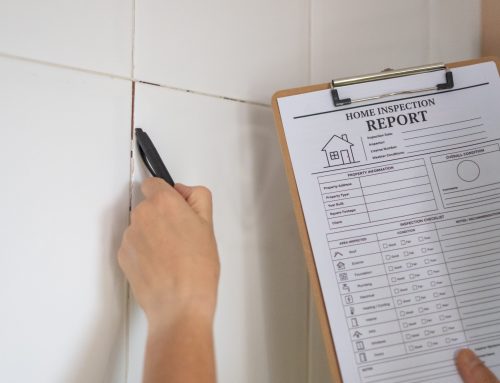
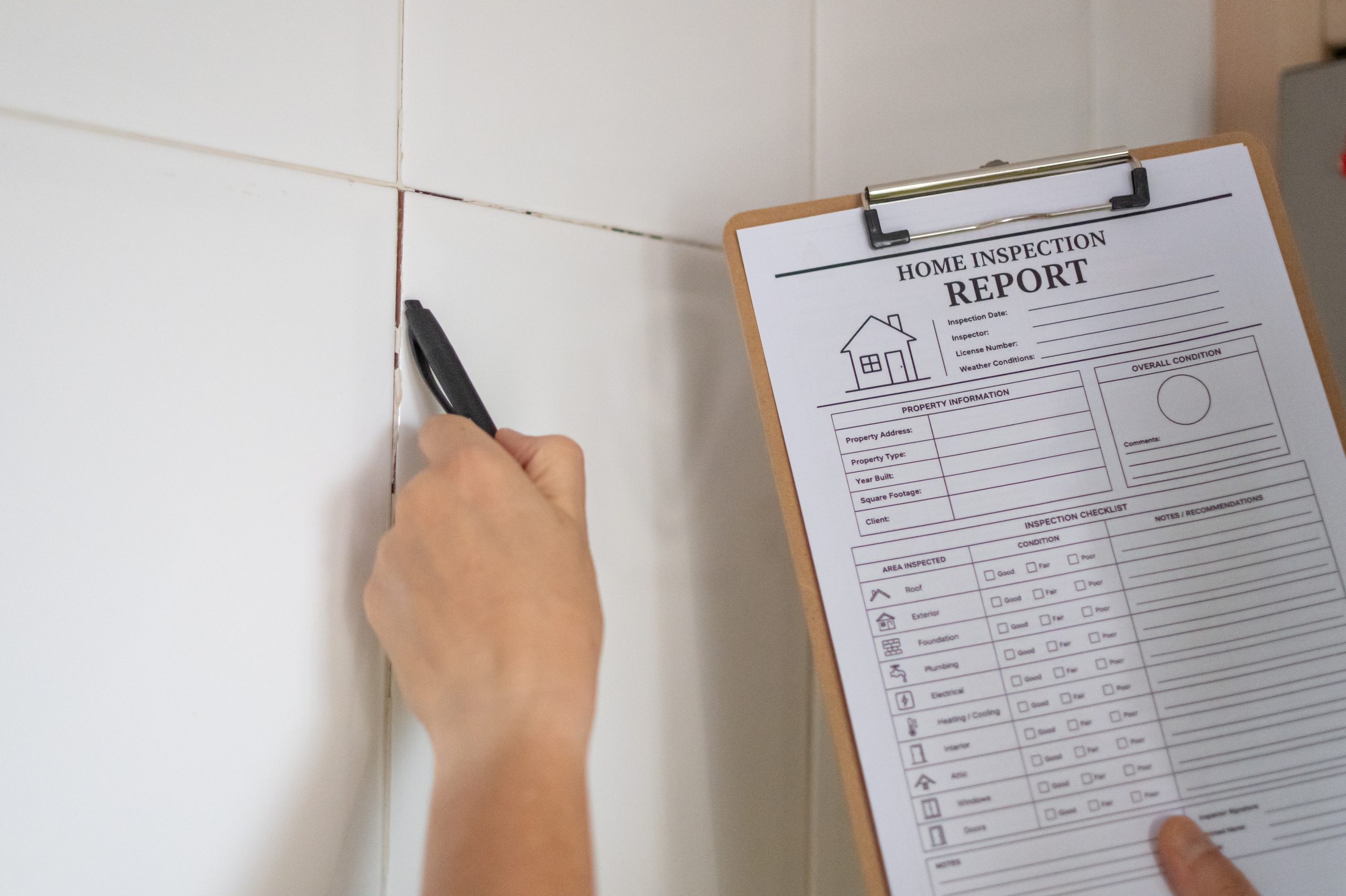
Keeping on top of problems is a good place to start. A small leak, damaged gutter or broken tile might not seem urgent, but leaving it for months can turn a minor repair into something much more expensive. Water in particular can cause problems if it gets into places where it should not. Checking your roof, gutters, windows and pipes from time to time can help you spot issues before they get worse.
The same applies inside the property. Keep an eye out for signs of damp, mould, cracks or peeling paint. Some of these things can simply be caused by everyday wear and tear, while others may point to a bigger problem. If you notice something unusual, it is usually better to find out what is causing it rather than simply covering it up.
Looking after the outside of your home is important too. The garden and front of the property are often the first things people see, and keeping them tidy can make a home more appealing. You do not need to create a show garden. Keeping the grass under control, cutting back overgrown plants and making sure paths and driveways are in reasonable condition can be enough to make a noticeable difference.
It is also worth keeping the exterior of the house in good condition. Fences, gates, walls, doors and windows all take a battering from the weather over the years. Paint can fade, wood can rot and small areas of damage can gradually become more obvious. Dealing with these jobs as they appear is generally easier than leaving everything until it needs replacing.
Inside the home, try not to overlook the basics. Heating systems should be maintained and serviced when required, while plumbing and electrical problems should be dealt with properly. If something is not working as it should, getting it checked is usually better than ignoring it. Keeping records of servicing and other significant work can also be useful, particularly if you decide to sell in the future.
Energy efficiency is another area worth considering. Improving insulation, replacing an old boiler or installing more efficient windows can make a home cheaper to run, although the right improvements will depend on the property. Even smaller changes, such as sealing draughts or improving insulation where appropriate, can make the home more comfortable.
You should also be careful about making improvements simply because they are popular. What works well for one property may not make sense for another. A large extension or expensive kitchen may add value in some circumstances, but there is no guarantee that you will get back everything you spend. Before taking on a major project, think about how it will affect the property as a whole and whether it is something that future buyers are likely to value.
One of the easiest mistakes to make is putting off maintenance because the problem does not seem important. A dripping tap, loose gutter or small patch of mould can be easy to ignore when there are other things to worry about. The problem is that these issues rarely improve by themselves. Regular checks around the home can help you catch problems while they are still manageable.
It is also sensible to keep your paperwork organised. Documents relating to building work, guarantees, servicing and improvements can be useful later. If you have had an extension built, replaced the roof or carried out other significant work, keep hold of any relevant paperwork. When you come to sell, having information available can make it easier to answer questions about the property.
There are also things outside your home that can affect its value. Changes to the local area, new developments, transport plans and other planning decisions can all have an impact. You cannot control what happens around you, but keeping an eye on local planning applications can help you understand what may be happening nearby.
The location will always play a large part in the value of a property, so there is only so much a homeowner can control. However, keeping your own property well maintained means it is in the best position possible if you eventually decide to sell.
It is worth remembering that protecting the value of your home is not just about what it looks like. A freshly painted room might make a good first impression, but buyers will also want to know that the property has been cared for. Problems with the roof, heating, plumbing or structure can be much more important than whether the latest decorating trends have been followed.
If you are thinking about selling at some point, it can be tempting to leave everything until just before putting the property on the market. Doing a little at a time is often easier. Keeping up with maintenance throughout the years means you are less likely to be faced with a long list of jobs when you decide to move.
There is no need to make your home perfect. Every property will have signs of normal use, particularly if you have lived there for a long time. The aim is simply to prevent small problems from becoming bigger ones and to make sure the property is kept in reasonable condition.
Protecting your home’s value is really about taking care of what you already have. Regular maintenance, sensible improvements and keeping an eye on potential problems can all help. You do not have to spend thousands of pounds or completely change your home to make a difference.
A well-maintained property is likely to be easier to live in, easier to sell and less likely to come with unpleasant surprises when something eventually needs repairing. Looking after the basics might not always be the most exciting part of owning a home, but over the years, it can be one of the most worthwhile.