When you’re searching for a new home, it’s easy to assume that the asking price reflects what a property is truly worth. In reality, the asking price is often a starting point for negotiation rather than a precise valuation. Sellers may set optimistic figures based on market conditions, emotional attachment or advice from estate agents. To avoid overpaying, buyers need to go beyond the headline price and assess the property using independent research and a structured decision-making process.
One of the first steps is to compare the property with similar homes that have recently sold in the same area. Looking at comparable sales helps establish a baseline for value and reveals whether the asking price aligns with local market trends. Consider factors such as size, condition, location, and proximity to amenities when making comparisons. However, even strong comparables do not tell the full story, as hidden risks or future developments can significantly affect long-term value.
Researching environmental and location risks is essential before deciding whether a property justifies its price. Issues such as flood risk, ground stability, nearby infrastructure and environmental hazards can impact insurance costs and resale potential. A free Instant Risk Screening report (Instant Property Risk Screening | Intelligent Home Information) through Intelligent Home Information provides early insights into potential concerns and helps buyers decide whether it’s worth progressing further. Starting with this risk report can prevent costly surprises later in the buying process.
It’s also important to consider planning activity and neighbourhood changes that could affect the property in the future. Proposed developments, new transport links or commercial construction can alter the character of an area and influence demand. Reports through Intelligent Home Information (Property Risk Reports | Intelligent Home Information) provide information on planning applications, land registry details and other local factors that may not be immediately visible during a viewing. Understanding these elements helps ensure the asking price reflects both current and future conditions.
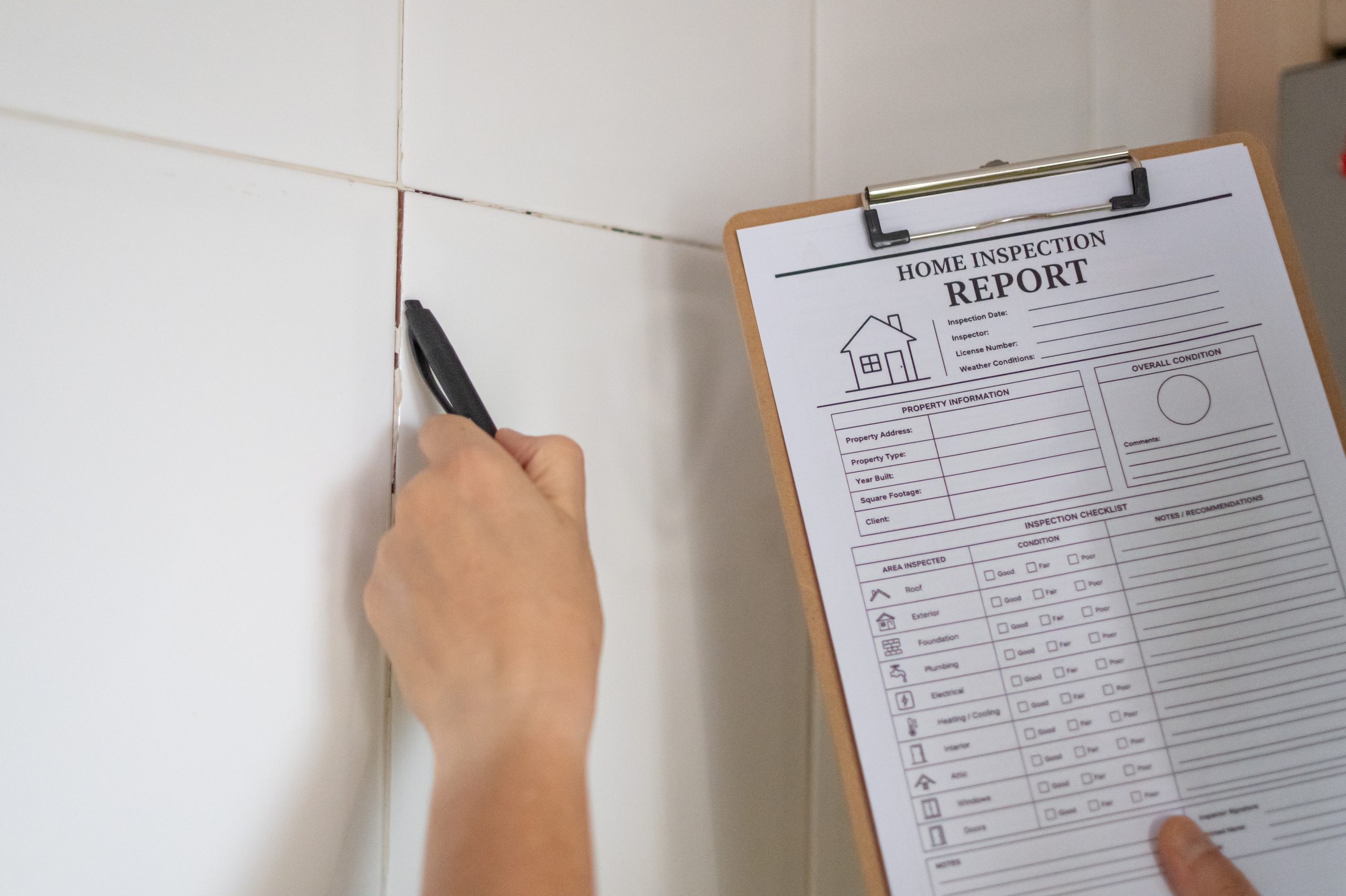
The condition of the property plays a major role in determining whether the price is reasonable. Renovation costs, structural repairs and energy efficiency upgrades can quickly add thousands to your overall investment. Even cosmetic improvements should be factored into your calculations. A professional survey, combined with independent data can highlight areas where the price may need to be renegotiated to reflect the true cost of ownership.
Ultimately, deciding whether a property is worth the asking price comes down to combining market comparisons, risk assessments, future planning considerations and condition analysis. By gathering reliable information and using resources from Intelligent Home Information, buyers can make informed decisions and negotiate with confidence. Taking the time to evaluate these factors carefully reduces the risk of overpaying and helps ensure that the property represents a sound long-term investment.