
Buying your first home is often talked about like it’s all about getting a deposit together, but that’s really only part of the story. A lot of first-time buyers only realise halfway through the process that the deposit is just the entry point, not the finish line. There are so many extra costs that appear along the way that it can easily add thousands on top of what you originally budgeted for. Some people start doing early research using https://intelligenthomeinformation.co.uk/ and only later realise how many moving parts there actually are.
One of the first surprises tends to be Stamp Duty Land Tax. It’s often assumed first-time buyers are completely exempt, which is true up to a point, but once you cross certain price thresholds, it can suddenly kick in and feel like a fairly sharp jump in cost. It’s usually at exactly the wrong time as well, when most of your savings are already tied up in the purchase.
Legal fees are another part of the process where expectations don’t always match reality. Conveyancing isn’t just a single solicitor charge, it also covers things like property searches, Land Registry fees, bank transfer costs and sometimes extra checks depending on the property. Even if you’re given a fixed quote at the start, it’s not unusual for the final amount to increase slightly as things move along. Many buyers only fully understand what they’ve paid for when they see the breakdown of everything involved, which shows just how many separate costs are bundled into what is often described simply as “legal fees.”
Mortgage costs also catch people off guard. Everyone focuses on the monthly repayment, but there are usually arrangement fees, valuation fees, booking fees, and sometimes broker fees too. Some of these can be added into the mortgage, which feels easier at the time, but it does mean paying interest on them over a long period. It’s one of those things that doesn’t seem that important at the beginning but becomes more obvious when you look at the total cost over the full term.
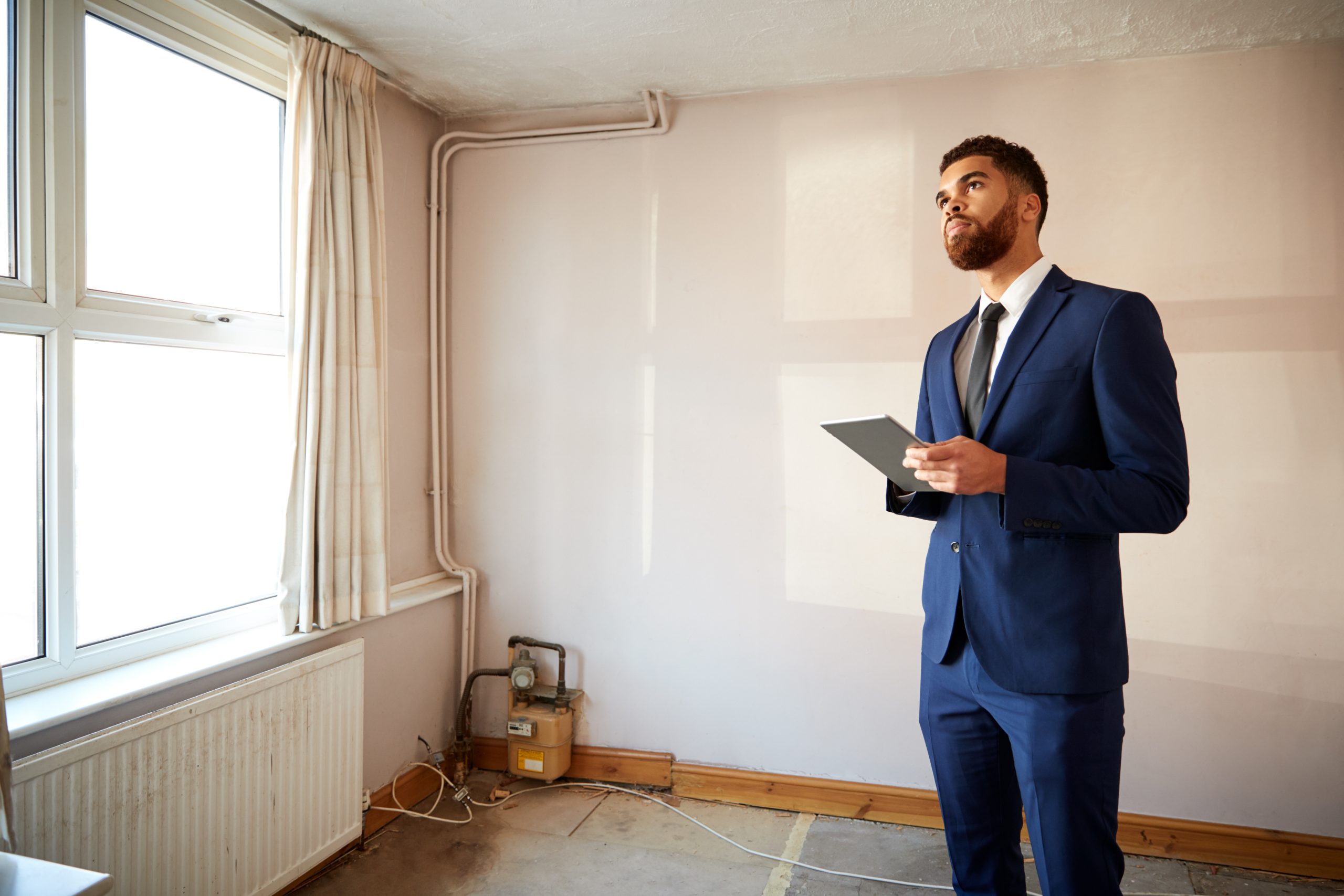
Surveys are another expense that feels optional until you’re deep into the process. Basic surveys might be relatively affordable, but more detailed ones can run into several hundred pounds. The real surprise, though, is rarely the price, it’s what they uncover. Damp, roof issues, wiring problems, things that suddenly turn into urgent repair costs before you’ve even moved in. At that point, people often go back and look for more guidance or context, sometimes revisiting sites like https://intelligenthomeinformation.co.uk/ just to understand what they’re dealing with.
Moving costs are also easy to underestimate. A van hire or removal company, packing materials, storage if dates don’t line up properly—it all adds up in a way that doesn’t feel obvious when you first think about it. Because it’s short-term, people tend to mentally downgrade it, but it can still run into hundreds or more depending on how complicated the move is.
Then you actually get the keys, and another wave of spending tends to start straight away. Even if everything looked fine during viewings, most people end up spending something immediately—locks changed, boiler serviced, small repairs, or essential furniture and appliances. It doesn’t feel like “extra” spending at that point; it just feels necessary.
There’s also the overlap period that catches a lot of people out. Rent doesn’t always neatly stop when the mortgage starts, so for a short time you can end up paying both. Add in council tax starting immediately, utility accounts being set up, and insurance requirements kicking in, and the first month or two can feel tighter than expected.
Even after all of that, there are ongoing setup costs that quietly settle in. Buildings insurance is usually required, contents insurance becomes important once you’ve actually moved in, and some buyers also take out life cover linked to the mortgage. None of these feel dramatic on their own, but together they add another layer of monthly pressure.
When you stand back and look at the whole picture, the surprise isn’t any single cost—it’s how everything stacks together at once. That’s why so many first-time buyers end up revisiting their budget partway through and searching for clearer breakdowns and guidance, often landing again on resources like https://intelligenthomeinformation.co.uk/reports/ or general property information sites just to make sense of it all.
It all adds up in a way that’s easy to underestimate at the start, and that’s really where most of the shock comes from.