Selling your home involves more than putting up a For Sale sign and waiting for offers. There are a few things worth sorting out beforehand, and getting started early can save you a headache further down the line.
You do not have to spend weeks getting everything perfect. A few practical jobs, some basic paperwork and a better understanding of your property’s condition can put you in a much stronger position when buyers start showing an interest.
Start with a realistic asking price
It is tempting to look at what other homes nearby are selling for and use that as a guide. While this can help, two properties on the same street can attract very different prices depending on their size, condition and location.
Speak to a couple of local estate agents before settling on a figure. Ask them how they have valued your home and whether similar properties have actually sold for the prices being advertised. An ambitious asking price might sound appealing, but it could put buyers off if it does not match the market.
Get your paperwork together
This is one of those jobs that is easy to put off until somebody asks for a document you cannot find. Starting early gives you time to look through your files without the pressure of an agreed sale.
Documents relating to your property’s ownership, past building work and guarantees for improvements may all be useful. If you have had an extension, converted a loft or made other significant changes, look for any relevant planning permission and building regulation certificates.
Leaseholders should also find their lease and any information they have about service charges or the managing agent. Your conveyancer can explain which documents are needed for your circumstances and help you deal with anything that is missing.
Check your Energy Performance Certificate
An Energy Performance Certificate (EPC) gives buyers an idea of how energy efficient a property is. In most cases, you need a valid EPC before your home can be marketed, although there are some exemptions.
If you already have one, check its expiry date. EPCs are generally valid for ten years. If yours has expired, you will usually need a new assessment before marketing the property.
The certificate can also give buyers an idea of potential energy improvements. You do not necessarily need to carry out every recommendation before selling, but it is useful to understand what the report says.
Have a proper look around your home
When you live somewhere every day, it is easy to stop noticing the little things. A buyer visiting for the first time may see them straight away.
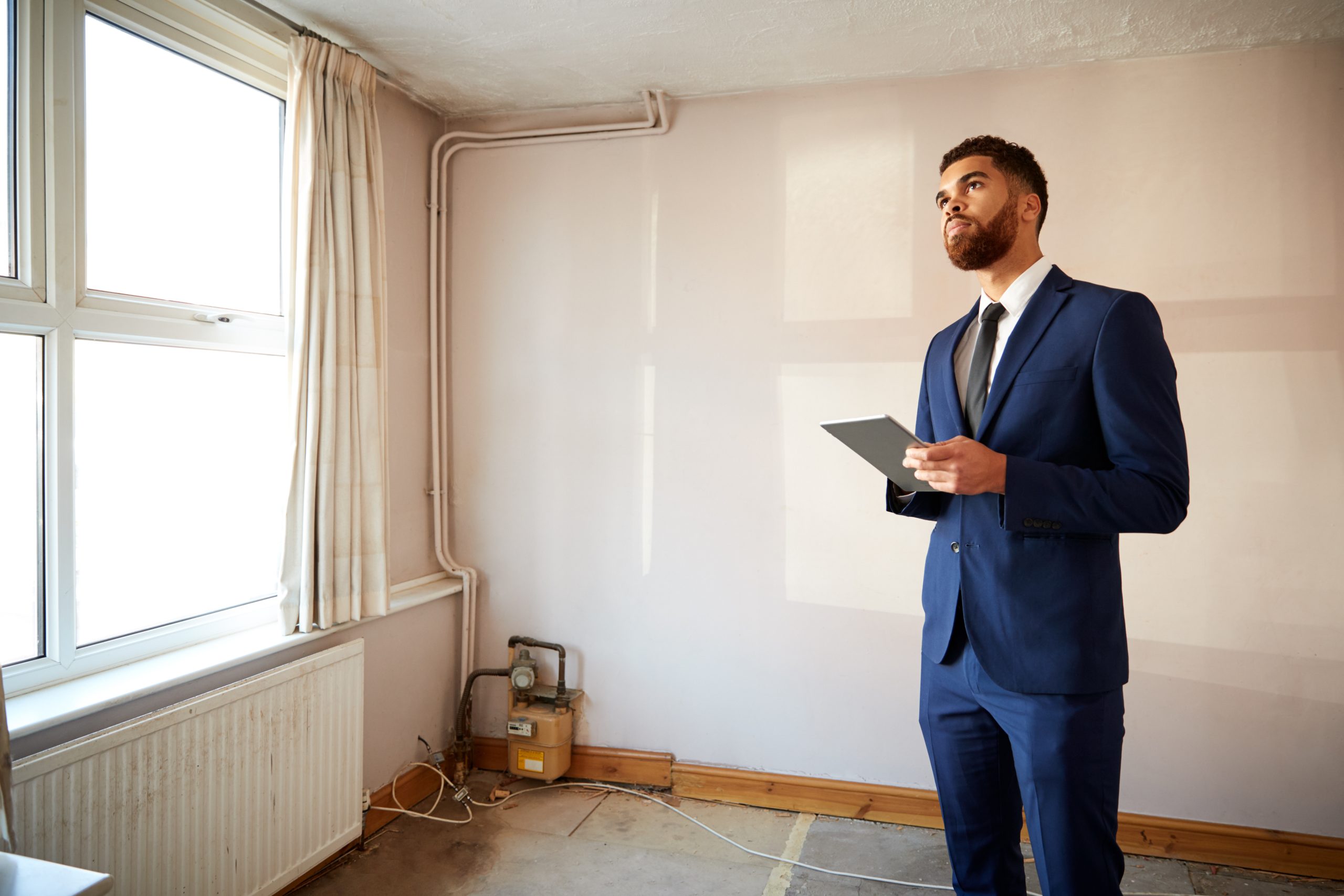
Walk through each room and make a note of anything that needs attention. It could be a dripping tap, a loose handle, scuffed paint or a garden that has got a little overgrown. These jobs are often fairly simple to deal with and can help the property feel cared for.
There is no need to turn your home into a show house. Clearing some clutter and giving rooms a good clean can be enough to make them feel more spacious. If you are planning photographs, try to get these jobs done beforehand so you are not rushing around at the last minute.
Do not ignore problems that need attention
It can be tempting to put off repairs when you are preparing to move, especially if you would rather not spend money on a property you are leaving. However, it is worth knowing about any issues before a buyer’s survey brings them to light.
Look out for signs of damp, roof damage, leaks or cracks that concern you. If something does not look right, consider getting advice from a suitable professional. You will then have a clearer idea of whether repairs are needed and what they might involve.
You should not try to disguise problems just to make the house look better for viewings. Being prepared to answer questions honestly can help avoid difficult conversations later in the sale.
Find out more about the property itself
You probably know your home better than anyone who comes to view it, but there may be things about the surrounding area that are worth checking before you sell.
For example, have you heard about a proposed development nearby? Is there anything you know about local flooding or previous land use? These details may not be obvious when someone visits the property, but they could be relevant to a potential buyer.
Intelligent Home Information can help you start looking into possible property risks with its free Instant Risk Screening. If you want to explore things in more detail, an Environmental Risk Report covers areas such as flooding, contaminated land, ground stability, radon and nearby infrastructure. It also includes seven years of property planning data.
Looking into these matters beforehand can help you understand what information may be available about your property. The report does not replace the searches carried out during conveyancing, but it can be a useful starting point.
Choose an estate agent who knows the area
Not every estate agent will take the same approach to selling your home. Some may suggest a higher asking price, while others may have a better understanding of what local buyers are currently looking for.
Ask about their experience in your area, how they plan to market the property and what their fees include. It is also worth finding out how they handle viewings and keep sellers updated. You will want someone who communicates well, particularly once offers start coming in.
Before signing an agreement, take the time to read the terms carefully so you understand the fees, contract period and notice arrangements.
Think about the legal side early
You do not need to wait until you have accepted an offer to speak to a conveyancer. Getting advice early can help you understand what will be required and give you time to deal with any paperwork issues.
It is also worth thinking about the timing of your move. If you are buying another home at the same time, there will be dates and decisions to coordinate. You cannot plan for every eventuality, but having an idea of your next steps can make things easier to manage.
Give yourself time to prepare
There is no magic formula for getting a home ready to sell. Some properties need very little work, while others may require a few weeks of repairs and organising before they are ready for viewings.
The main thing is not to leave everything until the last minute. Check your paperwork, deal with any obvious maintenance issues and make sure you understand the information buyers may want to know. You will then be better placed to handle questions when they arise.
If you are getting ready to sell, IHI can help you take an early look at potential property risks. Visit Intelligent Home Information to find out more about our property reports.