
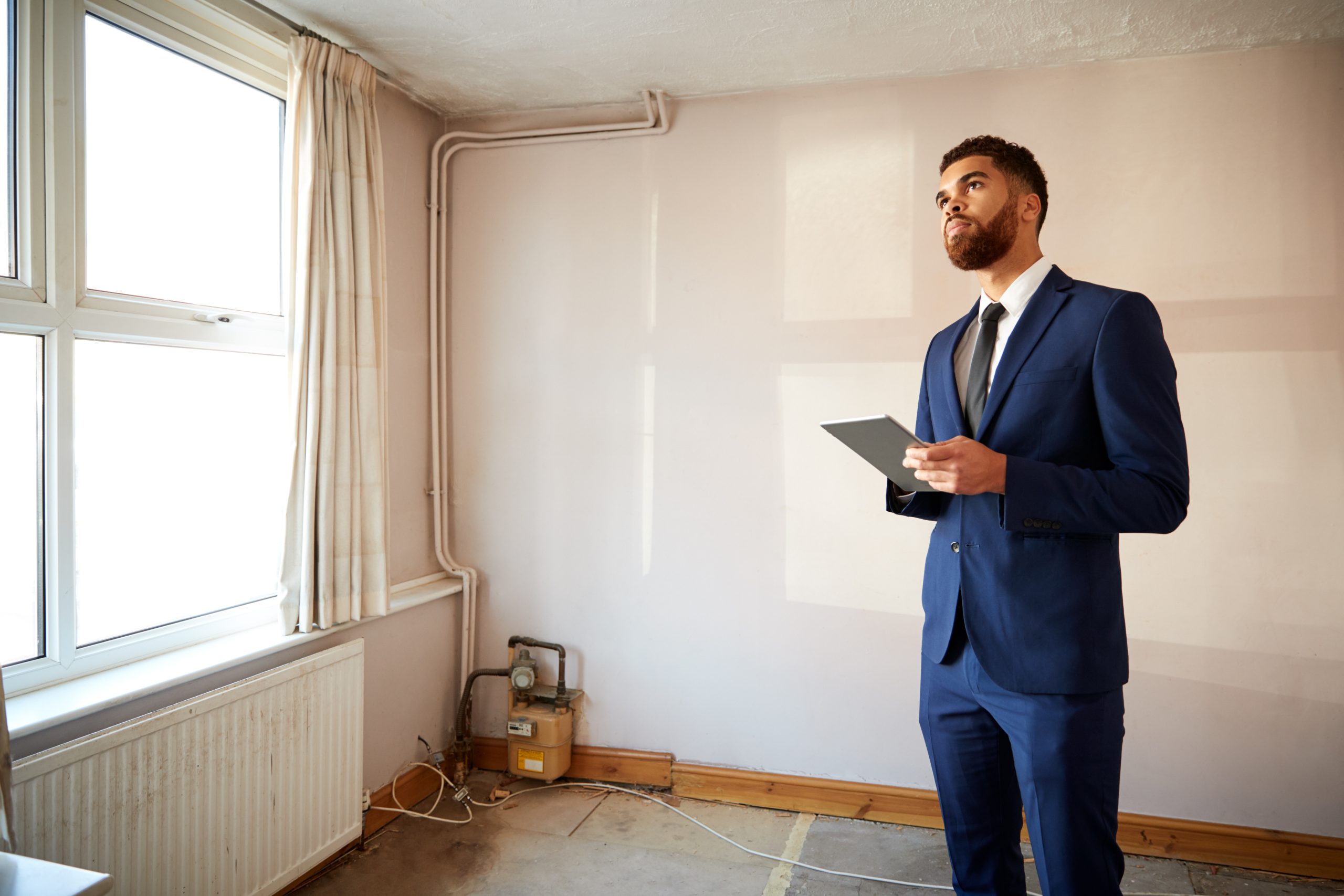
When you find a house you really like, it is easy to get carried away. You start picturing yourself living there, thinking about furniture, decorating and how quickly you can get the keys. The last thing you want is something to get in the way. Before getting too far ahead, it is worth finding out a bit more about the property itself.
A viewing can tell you a lot, but there are things you simply will not notice by walking around for half an hour. A crack might look harmless. A roof might appear fine from the ground. You may not spot signs of damp or realise that something will need replacing sooner rather than later. That is where a property survey comes in.
A survey gives you a closer look at the condition of the home you are thinking about buying. What it covers depends on the type of survey you choose, but it can point out problems that are easy to miss during an ordinary viewing. That information can be particularly useful before you commit to the purchase.
Imagine finding out after moving in that the roof needs significant work or there is an issue with damp that you had not noticed. You are now the owner, so dealing with it becomes your problem. Knowing about something beforehand gives you more options.
You might decide the problem is not serious enough to put you off. You may want to get some quotes for the work, speak to the seller about the issue or reconsider the price you are prepared to pay. If the problem is more serious than expected, you may even decide the property is not right for you. The important thing is having the information before you reach that point.
Older properties are often a good example. Period homes can have plenty of appeal, but age can bring its own problems. Roofs, windows, wiring, plumbing and other parts of a building can all need attention over time. That does not mean an older house is a bad purchase. Far from it. It simply means you may want a better idea of what condition it is actually in.
Newer properties can have issues too. Being built recently does not guarantee that everything has been done perfectly. A survey can give you another set of eyes on the property before you take ownership. It is also worth remembering that a survey is not the same thing as a mortgage valuation.
If you are getting a mortgage, the lender will normally arrange a valuation as part of the lending process. The purpose of that valuation is different. It does not give you the same detailed information about the condition of the property as a survey carried out for you as the buyer.
There are different levels of survey available, so the right choice will depend on the property. A fairly modern house in good condition may not need the same type of inspection as an older, unusual or heavily altered building. If you are unsure which option makes sense, speak to a surveyor before booking anything. They can explain what the different surveys cover and help you choose something suitable.
When the report arrives, take the time to read it properly. It can be tempting to look at the overall result and move on, particularly when you are eager to get the purchase completed. But the details can be useful. You may see recommendations for further checks or repairs. Some issues may be relatively minor, while others could be worth investigating before you continue.
If you do not understand something in the report, ask. Surveyors are used to explaining their findings, and it is much better to get an answer than to ignore something because the wording is unfamiliar.
The cost of a survey can also seem like another expense at a time when you are already paying for a lot of things. There are legal fees, mortgage costs, removals and all the other expenses that come with buying a home. It is understandable to look for ways to keep those costs down.
However, a survey can be a relatively small cost compared with the amount being spent on the property itself. If it uncovers a problem that would cost thousands of pounds to put right, it could prove particularly useful. Of course, no survey can find absolutely everything. Properties are complicated, and some problems may only become apparent later. A survey should not be seen as a guarantee that nothing will ever go wrong. It is simply another piece of information.
That is really what makes a property survey worth considering. Buying a home is a major financial commitment, and having more information before making that commitment can only help you understand what you are taking on. You may get a report that highlights several things that need attention. Or you may find that the property is in better condition than you expected. Either way, you know more than you did before.
A home does not have to be perfect to be the right home. Every property will need some maintenance eventually. The useful thing about a survey is knowing what you may be dealing with before the keys are handed over. For a decision as big as buying a home, taking the time to understand the property properly can be well worth doing.