Buying a home is expensive enough without adding an unexpected repair bill to the list.
Once an offer has been accepted, it can be tempting to move things along as quickly as possible. You have found the property, agreed on a price and are already thinking about moving day. Paying for a home survey can then feel like another expense you could perhaps do without. But this is one part of the buying process where trying to save money could end up costing you much more.
A property might look perfectly fine when you walk around it. Fresh paint, tidy rooms and a well-kept garden can all give a good first impression. However, a viewing only tells you so much. There can be problems that are difficult to spot unless someone with the right experience takes a closer look. That is where a home survey comes in.
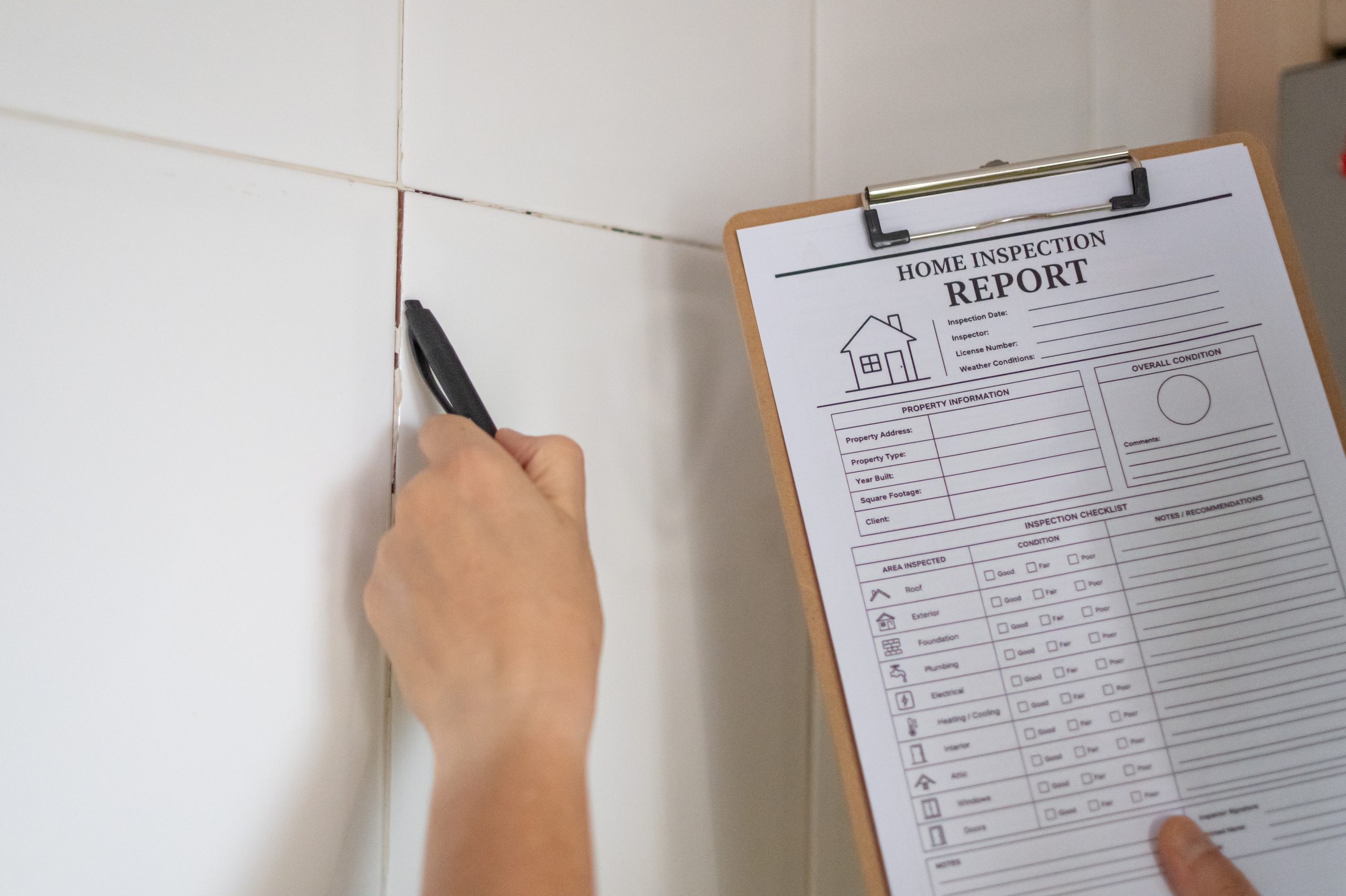
A survey is designed to give you a better understanding of the condition of the property you are considering buying. Depending on the type of survey you choose, it can highlight defects, areas of concern and repairs that may need to be dealt with. This information can be extremely useful before you commit to what could be one of the biggest purchases you will ever make.
One of the main reasons people decide against a survey is cost. When you are already paying for legal work, mortgage fees, moving costs and everything else that comes with buying a property, another bill may not seem particularly appealing.
It is worth looking at the cost in context, though. A survey could cost a few hundred pounds, depending on the property and the level of inspection required. Discovering a serious issue after you have bought the property could cost considerably more.
For example, a problem with the roof might not be obvious during a normal viewing. Neither might an issue with damp, structural movement or parts of the building that have not been maintained properly. These are the sorts of problems that can become expensive once you own the property. Finding them before exchange gives you options.
You may decide that you still want to buy the property and simply budget for the necessary work. You may want to renegotiate the price to reflect the repairs that are needed. In some circumstances, you may even decide that the property is not right for you after all. Once you have completed the purchase, your options are much more limited.
This is particularly important with older properties. Period homes can have plenty of character and are often exactly what attracts buyers in the first place. But age can also mean that certain parts of the property need attention.
Older roofs, windows, wiring, plumbing and heating systems may all require updating at some point. A survey can help you understand the condition of the property rather than relying solely on how it looks. Newer homes are not automatically free from problems either.
A relatively modern property can still have defects, poor workmanship or maintenance issues. Assuming that a newer house does not need checking could leave you overlooking something that needs attention. The type of survey you choose also matters. There are different levels available, and the right option will depend on the property itself and how much detail you want from the inspection.
It is worth speaking to a qualified surveyor if you are unsure which type is suitable. A survey on a standard modern property may be very different from the one you would consider for an older, unusual or heavily altered home. There is also a common misunderstanding about what a mortgage valuation does.
If you are buying with a mortgage, your lender will usually arrange a valuation to make sure the property provides suitable security for the loan. But this is not the same thing as having a detailed survey carried out for you as the buyer.
A valuation is primarily for the lender. It should not be treated as a full inspection of the condition of your future home. That distinction is important. You may receive confirmation that the property is suitable security for the mortgage while still having issues that need further investigation.
A survey can also give you a better idea of the work that may be required in the future. Not every problem needs to be dealt with immediately, but knowing that a roof may need attention in the next few years is useful information when planning your finances. The same applies to things such as windows, insulation, heating systems and other parts of the property. It is much easier to plan for a future expense when you know it is coming.
There is also the reassurance that comes with having another pair of eyes look over the property. Buying a home can be an emotional experience, particularly when you have found somewhere you really like. It is easy to become focused on the positives and overlook things that you might question under different circumstances. A survey provides a more objective view.
It does not mean that every issue uncovered should put you off buying. Most properties will have something that needs attention, particularly if they are not brand new. The important thing is understanding what those issues are and how serious they might be. A few minor repairs are very different from a major structural problem. Having that information before you buy puts you in a much stronger position.
It is also worth remembering that a survey is not intended to predict every possible problem that could occur during your time in the property. Buildings change, things wear out and unexpected repairs are part of home ownership. No inspection can remove all of that risk.
What a survey can do is reduce the chance of buying a property without knowing about significant issues that were already there. For many buyers, that makes the cost worthwhile. When you are spending hundreds of thousands of pounds on a property, saving a relatively small amount by skipping a survey may not be the best place to cut costs.
The excitement of buying a home can make it tempting to get everything moving as quickly as possible. But taking a little more time before committing can sometimes save a lot of stress later. A survey is another piece of information to help you make that decision. It can give you a clearer picture of the property, help you understand potential repair costs and, importantly, give you the chance to make an informed choice before you become legally committed to the purchase.
Buying a home will always involve some risk. You cannot predict everything that might happen once you have the keys. What you can do is make sure you know as much as possible before you buy. And when it comes to a purchase this significant, spending a little now to understand what you are buying could save you a lot later.