
Ask any property surveyor and they’ll tell you the same thing: houses rarely fail on one big dramatic issue. It’s usually a collection of small things that don’t look like much on their own, but start to tell a story when you put them together. That’s really what a survey is about, reading the building, not just ticking boxes.
Cracks are a good example of that. Most homes have them somewhere, and not all of them mean trouble. But surveyors get interested when the pattern looks “active” or a bit unnatural. Diagonal cracks near doors or windows, or gaps that seem wider at the top than the bottom, can hint at movement. Sometimes it’s harmless settling, sometimes it’s not, and part of the job is working out which side of that line it sits on.
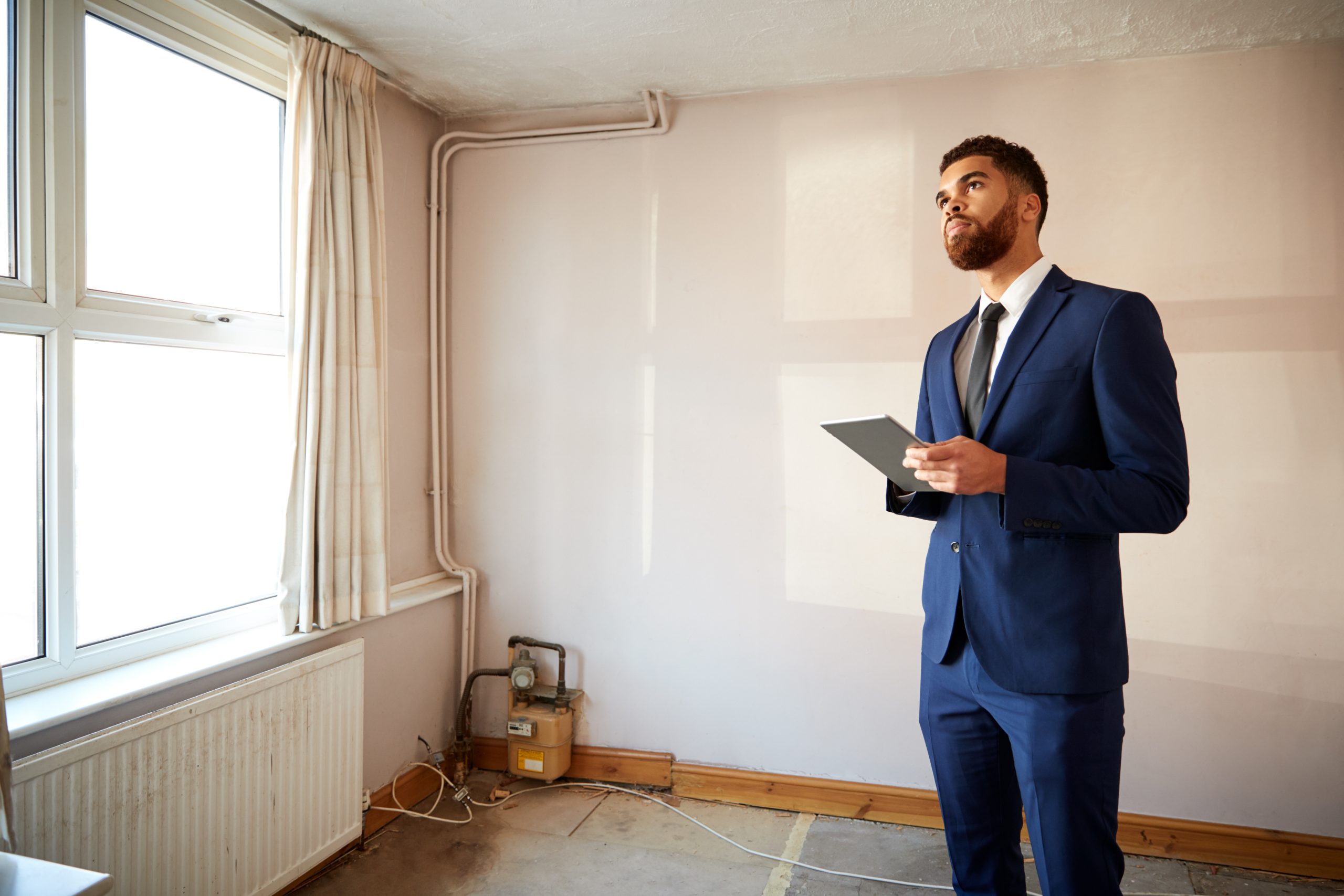
Damp is another one that comes up constantly. Buyers often expect to see obvious wet patches, but it’s usually more subtle than that. A slightly stale smell in a room, flaky paint near skirting boards, or wallpaper that doesn’t quite sit right can all be early clues. Surveyors tend to trust those small signs more than anything cosmetic, because damp has a habit of hiding until it becomes expensive.
Roofs are a bit of a mixed bag because from the street they can look perfectly fine, even when they’re not. A slipped tile here or there isn’t unusual, but sagging lines or patchy repairs can suggest ongoing neglect. Gutters matter more than people think as well, if water isn’t getting away properly, it always finds another route, and that usually means into the walls.
Inside the property, electrics and plumbing tend to raise eyebrows if they look dated or a bit DIY. Old fuse boxes, messy wiring, or quick fixes under sinks are the kind of things that don’t always break the house, but they do hint at future cost. Surveyors aren’t trying to scare people with it, they’re just flagging where money is likely to be spent sooner rather than later.
Ventilation is one of those quieter issues that doesn’t get much attention until it becomes a problem. Bathrooms without proper extraction or kitchens with nowhere for steam to go tend to build up condensation over time. That’s when mould starts appearing in corners or behind furniture, and it’s rarely just a surface issue. It usually means the house isn’t “breathing” properly.
In the end, what a surveyor is really doing is slowing everything down. A house can look absolutely fine during a viewing, but the survey is where all those small details get pulled together into something more honest. Most red flags aren’t instant deal-breakers, they’re just warnings that the story of the property is a bit more complicated than it first appears.