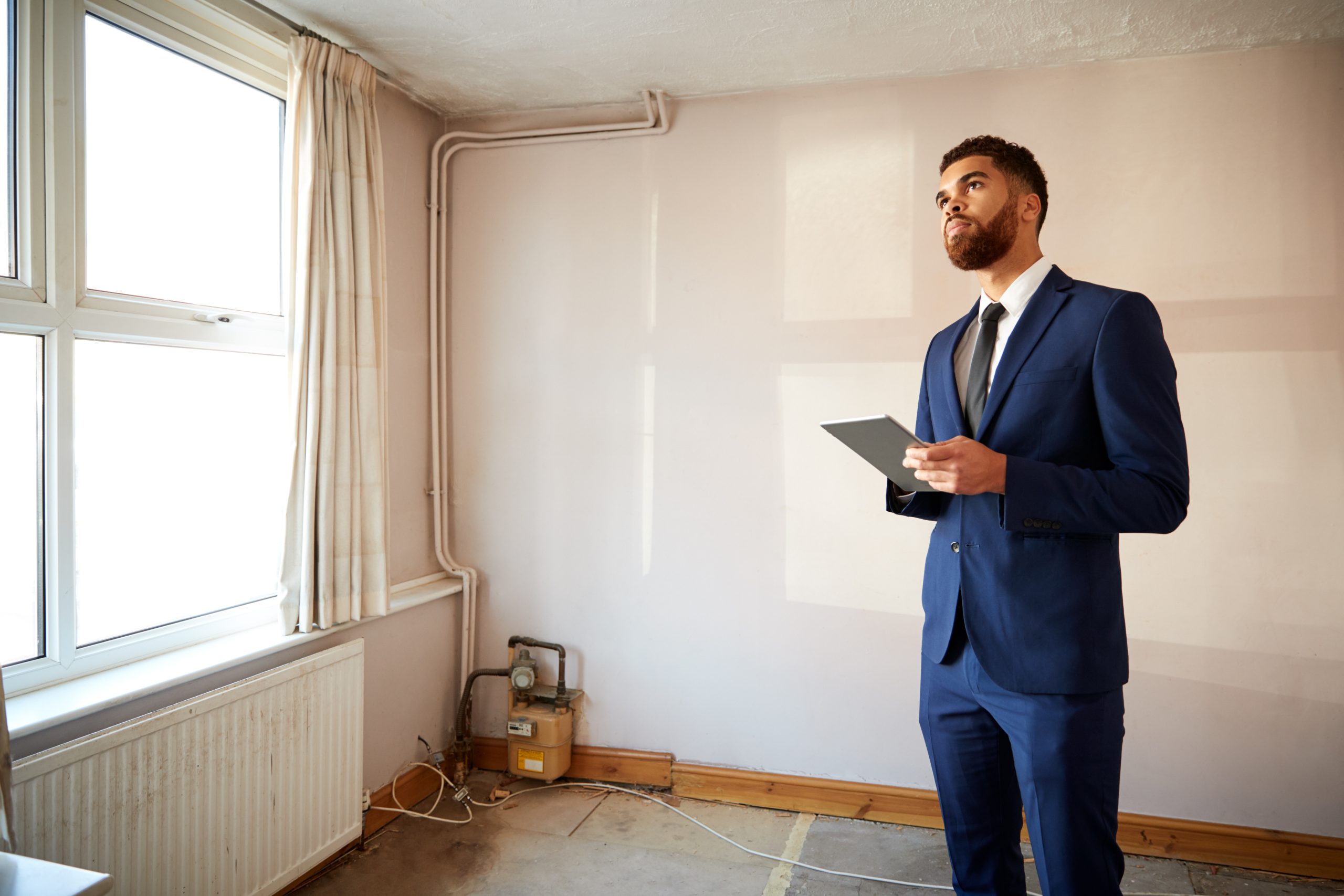
Most people only think seriously about a house survey when they’re already deep into buying a property, but it’s actually one of the most useful steps in the whole process. It gives you a clearer picture of what you’re taking on, beyond what you see during a viewing, and can save a lot of stress (and money) later on.
At the simplest end of the scale is the Level 1 survey. This is usually used for newer homes or properties that don’t appear to have any obvious issues. It’s fairly basic, giving an overview of the property’s condition without going into too much depth. You’ll often see it presented with a simple traffic-light system so you can quickly understand whether anything needs attention. It’s not designed to uncover hidden defects, so it works best when the property is straightforward and recently built.
Most buyers, though, tend to go for a Level 2 survey. This is the Homebuyer Report and probably the most commonly used option in the UK. It’s a step up in detail and will highlight things like damp, structural movement or roof issues if they’re visible during the inspection. It also usually comes with some advice on repairs, which is helpful when you’re trying to work out whether a property is going to cost you more than expected after you move in. If the house is relatively modern and in reasonable shape, this tends to be the “safe middle ground” choice.
When you move into older houses, things get more complicated and that’s where a Level 3 survey comes in. This is often called a full building survey and it’s the most detailed option available. It doesn’t just skim the surface, it looks closely at the structure and condition of the building and explains issues in much more depth. If a property is older, has been heavily extended or looks like it may have been altered over time, this is usually the most sensible route. It’s also common for people buying renovation projects or period homes to choose this level because it gives a much clearer idea of what they’re dealing with.
It’s also worth mentioning that not every report you come across is actually a full survey. A mortgage valuation, for example, is something the lender arranges to confirm the property is worth what you’re paying for it. It’s not really designed to protect you as the buyer and it won’t dig into structural problems in any meaningful way. That’s a common misunderstanding, but an important one to clear up early.
Sometimes, a general survey will pick up a potential issue that needs a closer look. In those cases, you might be advised to get a specialist report. This could be anything from a structural engineer inspecting movement in the building, to a damp expert assessing moisture problems, or even a drainage specialist if something underground is suspected. These reports are more focused and tend to zoom in on a single concern rather than the whole property.
New-build homes are a slightly different situation altogether. Even though everything is brand new, that doesn’t mean everything is perfect. A snagging survey is often used to identify small defects, things like poorly finished paintwork, uneven flooring or fittings that haven’t been installed properly. The idea is to catch these issues while the developer is still responsible for fixing them.
If you want a clearer breakdown of property reports and how they’re used in practice, Intelligent Home Information has a useful guide that explains the different types of surveys and when they make sense: https://intelligenthomeinformation.co.uk/reports/
In the end, the right survey comes down to the property itself. A modern flat in good condition doesn’t need the same level of inspection as a 120-year-old terrace with signs of movement. The key is matching the survey to the level of risk you’re comfortable with and making sure you’re not walking into unexpected repair costs after you’ve already committed.